
MY TAKE
IS CARNEY DRAGGING US BACK TO THE BAD OLD DAYS?
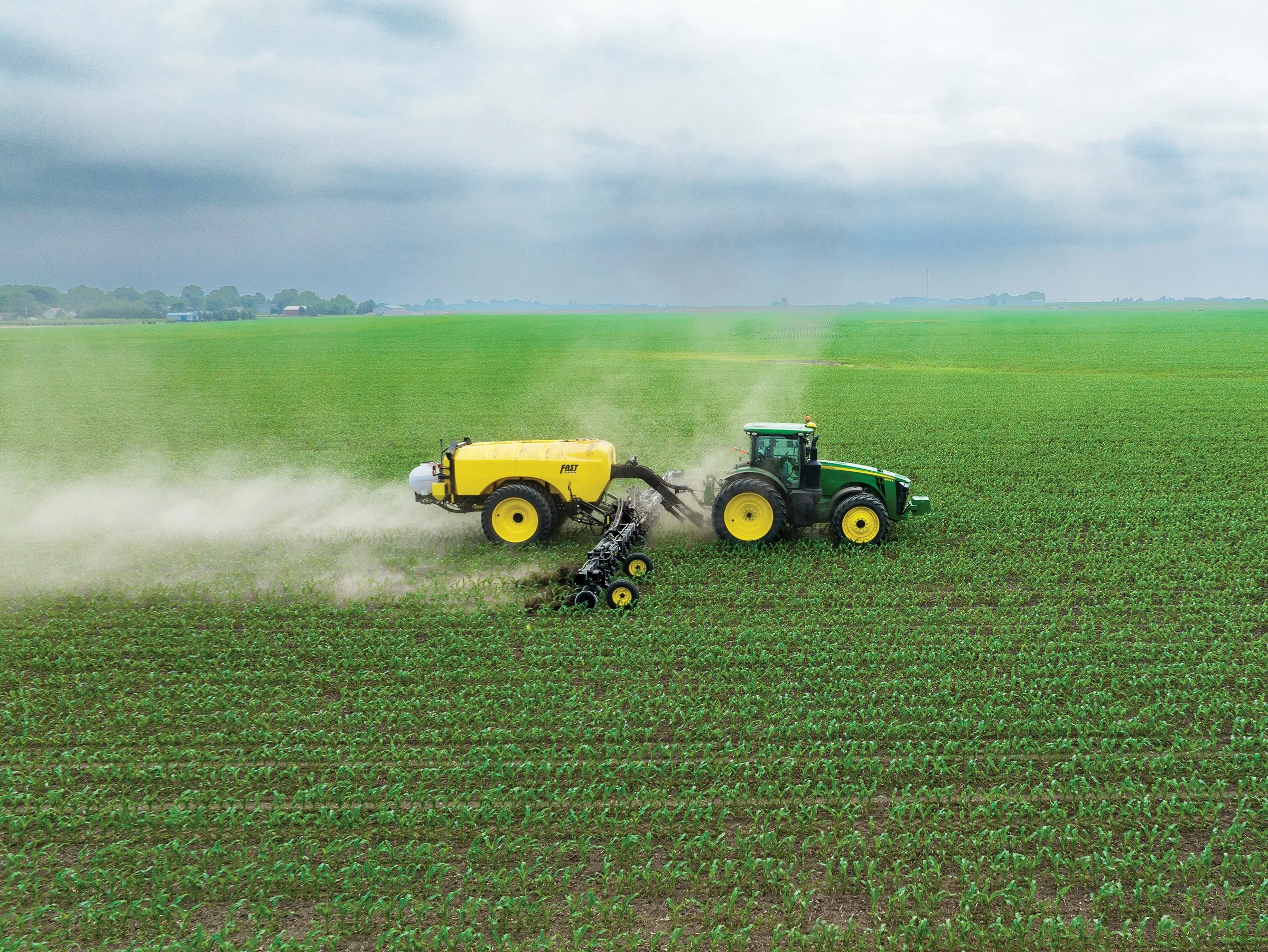
Mark Carney’s plans to okay the use of banned pesticides for “economic or food security reasons” will have long-lasting consequences. Image credit: JAMES BALTZ on Unsplash.
By SHAGORIKA EASWAR
Mark Carney’s Bill C-30 allows the cabinet to okay the use of banned pesticides for “economic or food security reasons”.
Around this time of year, the grass in our yard turns to hay. Brownish in patches, dry, crunchy. And not very pretty. The lush green of May and early June becomes a distant memory as grubs and chinch bugs and who knows what else take their toll. But when our lawn care company tells me there’s not much they can do because the use of certain herbicides and pesticides is not authorized in Ontario, I’m happy, I feel we are in good hands.
Because our grandchildren play on the grass. Neighbours’ dogs and cats visit. As do a multitude of creatures I am not fond of – raccoons and skunks being just two – but I wouldn’t want to subject them to anything that kills grubs and bugs on contact. It’s grass, it’ll revive, I tell myself. And it does, without being sprayed with toxic substances.
When the sumacs behind our homes had to be removed because they are invasive and had resulted in a mini forest of sumacs in our yards, again I was relieved to learn the town would not use strong weedkillers because that would invariably wash into the stormwater management ponds we also back on to and harm the birds that nest there. They had to be dug up.
Thus the federal government’s move to ease up on the controls on pesticides came as a rude shock.
As Marina von Stackelberg wrote in CBC News, the federal government has brought in major changes to how pesticides are regulated in Canada, granting cabinet the power to authorize their use – even pesticides Health Canada has deemed are unsafe – without defining or clarifying what those interests could be.
She notes that public health and environmental experts were not given the chance to testify in front of Parliament. Health and environment committees also did not study the legislation.
Excerpts from the article:
Environment and health organizations, along with expert scientists from 13 universities, have denounced the legislation, saying it marks the largest overhaul of the country’s pesticide rules in a generation.
“It’s pretty outrageous...what you’ve got is cabinet overruling science,” said Dr. Trevor Hancock, a public health doctor with the Canadian Association of Physicians for the Environment. “We already have a pesticide regulatory system in place and it’s there to protect people and protect the environment. I don’t think they’ve given any clear evidence as to why overruling that is good for Canadians.”
Cabinet can also authorize a pesticide for a “seriously detrimental infestation,” regardless of whether the health minister has already denied a request for its approval. That pesticide could then be used for up to six years.
“In the 51 years I’ve worked on pesticides in this country, this is the single most regressive proposal I’ve ever seen,” Green Party Leader Elizabeth May said.
In a response that can only be deemed horrifying, minister of health Marjorie Michel’s spokesperson Alexandre Bergeron referenced the federal government’s recent decision to temporarily allow the use of strychnine in Alberta and Saskatchewan to deal with ground squirrel infestations. Strychnine? Visions of Agatha Christie’s poisons of choice floating in my head, I read that this was done under the existing rules of the Pest Control Products Act, which allows the health minister power to grant emergency use of an unapproved pesticide for up to a year.
How much damage can that pesticide do in that period? If it’s killing squirrels, what’s it doing to everyone else that comes in contact with it? I guess one could keep pets off the areas where it was used but what about other wild creatures? Birds and insects? And everyone who comes in contact with them? Rachel Carson’s book, Silent Spring, alerted us to the environmental harm caused by the indiscriminate use of DDT, a pesticide.
David Suzuki, who has called our attention to these harms in many of his columns, has written about how Silent Spring should have been a wake-up call to the world. “It opened my eyes – and it’s a big part of the reason I started questioning my career in genetics and decided to devote my life to environmental causes. It exposed the limitations of reductionist Western science and showed how our actions can create unintended consequences throughout interconnected natural systems.
“Yet, it drew – and still draws – tremendous, often sexist, backlash from mainstream scientists, industry and media. It cast doubt on the wisdom of awarding someone like Paul Müller a Nobel Prize in 1948. The Swiss chemist had discovered DDT, a powerful insecticide credited with reducing the incidence of malaria. While its use on disease-carrying mosquitoes undeniably saved human lives, it also led to the deaths of millions of bald eagles, osprey, pelicans and other birds.
“Part of the problem, as Carson reported, is that studying phenomena in labs, flasks and growth chambers doesn’t mimic real world conditions, where wind and rain carry molecules into air, soil and waterways, causing effects that can take months or years to show up, such as weakened eggshells.
“Powerful insecticides don’t just kill target insects and, as geneticists know, the ‘pests’ targeted can mutate over time to resist pesticides. Scientists also discovered another important factor: biomagnification. This occurs when toxins become increasingly concentrated throughout the food chain. When birds, bats, lizards and other animals eat insects exposed to chemical poisons, the pesticides accumulate in them and then in other animals, including humans, that eat the birds and other creatures.”
The rising cost of food is being cited as one of the reasons for amending existing controls on pesticides, but how much thought has gone into the long-term effects of these potential bigger harvests?
Food security, after all, encompasses not just affordable food but also safe, healthy food. Free from harmful chemicals.
Some years ago, I’d admired the dense green in front of parliament buildings in Ottawa. Even more so, when a closer inspection revealed dandelions, clover, violets, creeping jenny, etc., all mowed to a neat green carpet – proof of an enlightened government.
I don’t want to see golf course quality turf there on my next visit.