
HELLO JI!
USER DISCRETION ADVISED
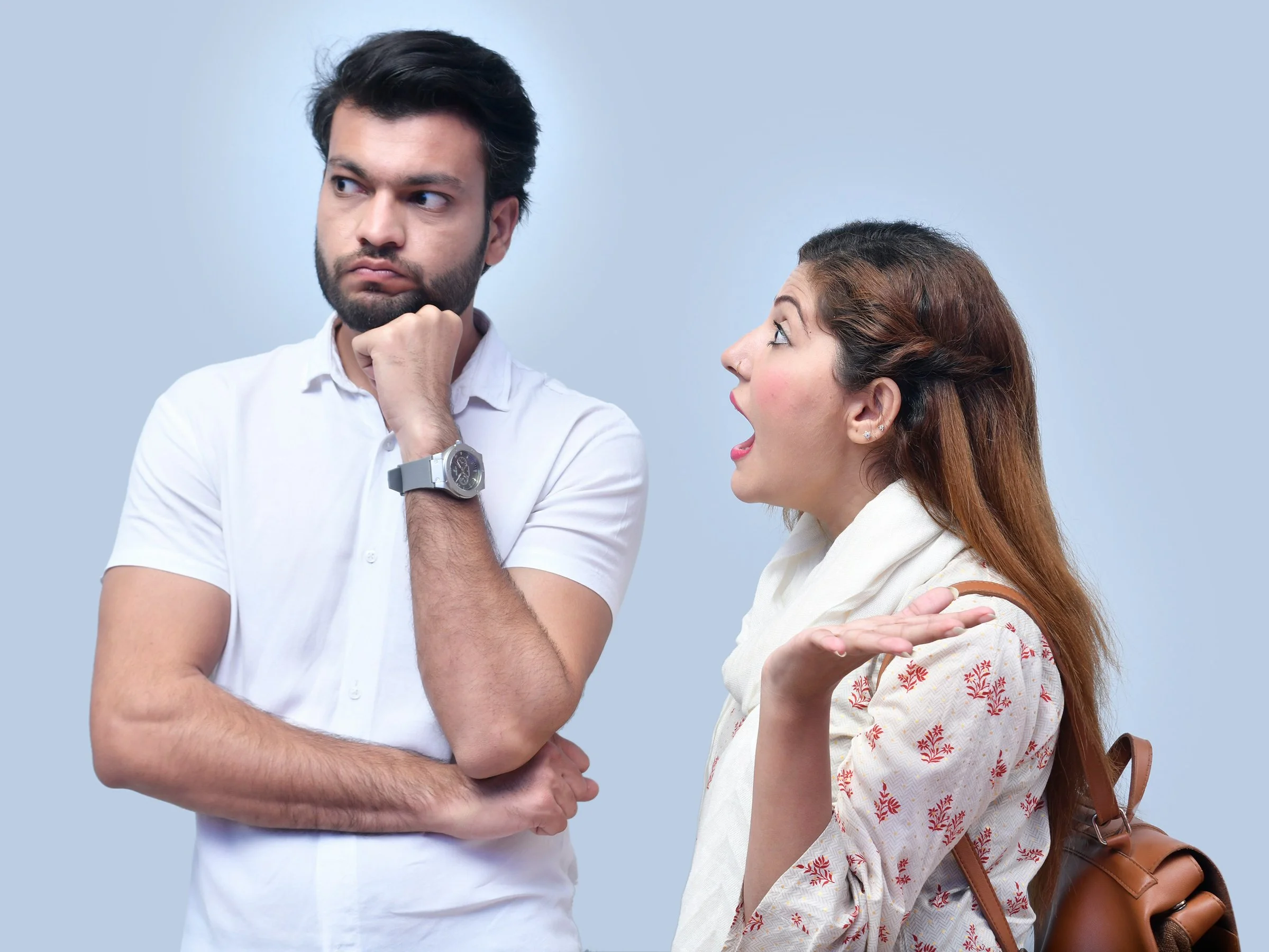
Words hurt, and we sometimes weaponize them. Image credit: FOTOS on Unsplash.
There’s the old children’s rhyme, “Sticks and stones may break my bones, but names shall never hurt me”. Google it, and you will read, along with its history and many iterations, that it is “used as a defence against name-calling and verbal bullying, intended to increase resiliency, avoid physical retaliation, and/or to remain calm and indifferent”.
What is clear, though, even without the search is that it was not written by a woman. Because women know only too well how words can hurt, how violent they can be. But we forget. Even women forget this when certain words become normalized.
On a family vacation I noticed my young nephew was flexing his I’m-a-man muscles, punctuating every sentence with effing this and effing that. I drew him aside and requested that he refrain from doing so. I explained (with a hug) that I was requesting restraint not as his aunt, but as a woman. And said that I was sure he hadn’t stopped to think of the inherent violence in the expression.
He apologized immediately and profusely. We spent a few moments talking about expressions like “pimp my ride”. How can a word for a person who controls women to profit from prostitution describe over-the-top embellishment? I shared with him the story of how our son once came home from high school in a t-shirt with “pimp my ride” emblazoned on it, for some fund-raiser. And how I made him take it off and wrote a note to his teacher outlining my concerns.
My nephew, an enthusiastic supporter of the DEI movement, saw it was not “just a word”.
It was a pivotal moment in our relationship. We connected as two adults on the same side.
We’ve since had interesting discussions on how easy it’s been for huge swaths of populations across the world to dismiss DEI practices. Abuse – verbal or physical – is often attributed to patriarchy. And when we say patriarchy, we inevitably look at the countries many of us come from. But think about it, in the liberated West, women got the right to vote long after women in India did. Historical fiction set in Canada is rife with tales of the most horrendous curtailing of women’s rights. While we’ve since moved in the right direction, it’s good to remember that patriarchy is not restricted to any one geographic location.
So this Valentine’s Day, while celebrating the ones we love, let’s stop and think about how we hurt some of those very people – often, thankfully, without intention – with our words.
I’m proud to share, my nephew recently observed that patriarchy touches men by extension, too. For every young life extinguished by IPV, every woman denied a promotion just because she’s female, a brother, a father, a husband or a son mourns the loss, feels the rejection, the pain. “You know, my girlfriend is really pleased with how we talk about these issues,” he said.
Mission accomplished.
Happy Family Day!
Shagorika Easwar