
TRUTH BE TOLD
THE SHEEP THAT FOLLOW THE IDIOTS WHO RULE
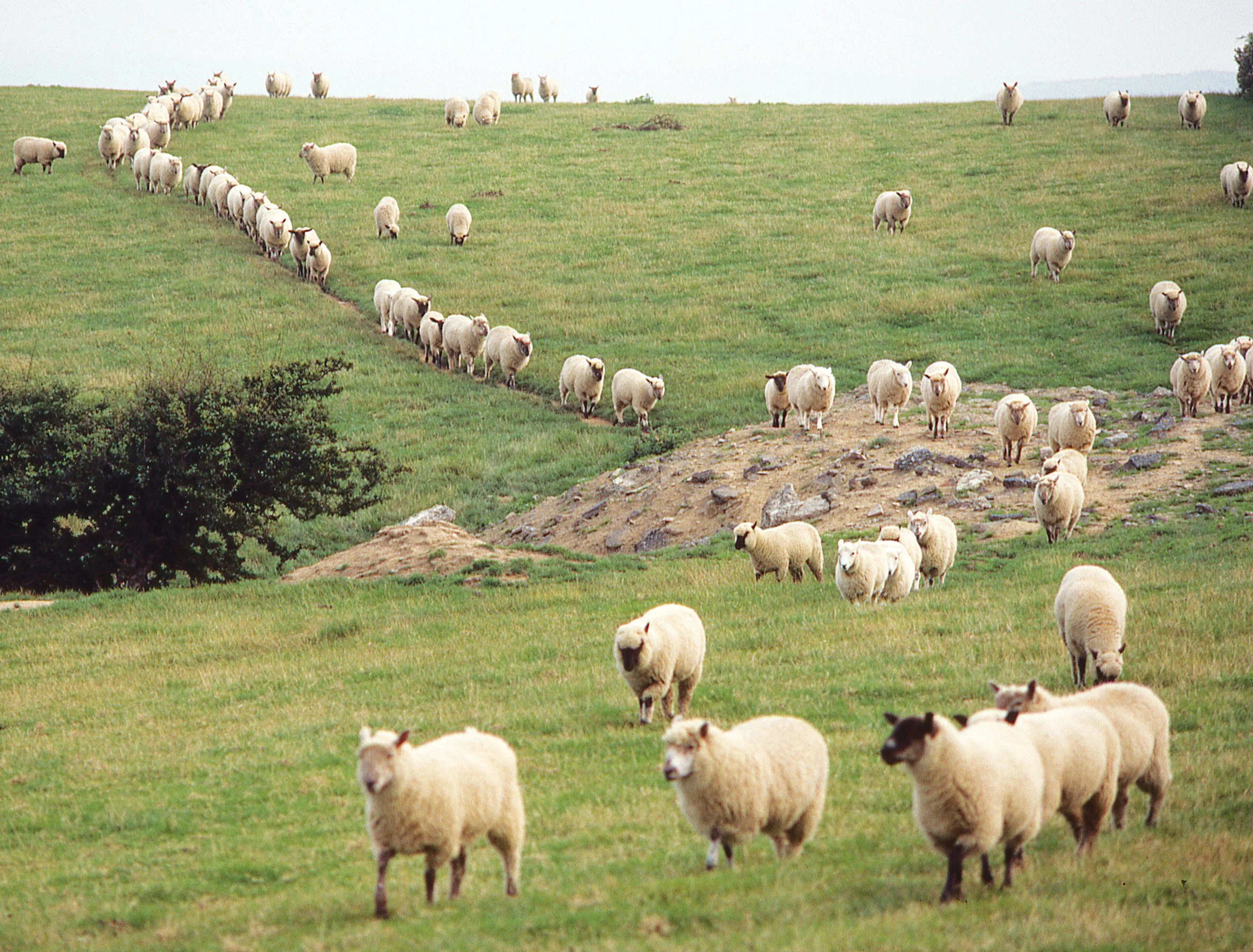
“The last days of dying empires are dominated by idiots. The Roman, Mayan, French, Habsburg, Ottoman, Romanoff, Iranian and Soviet dynasties crumbled under the stupidity of their decadent rulers who absented themselves from reality, plundered their nations and retreated into echo chambers where fact and fiction were indistinguishable.” Image credit: MICHAEL HAMMENTS on Unsplash.
By DR VICKI BISMILLA
Reading an article by Professor Battache of the University of Hong Kong left me asking myself so many questions about humanity. Who are we? What have we as nations done?
We in democracies elect people to represent us in government. But what are those people doing to innocent people around the world in the name of trade and commerce? We would not hurt and kill our neighbours, yet that is exactly what powerful, affluent nations are doing to vulnerable countries.
So many of us have spent our careers researching racism, apartheid, oppression, indenture, slavery, and all of these horrendous ills have been the result of the kind of amoral capitalism and oppression outlined in the article by Professor Battache. And these are, even today, being perpetrated. Slavery of millions of Black people thankfully ended, indenture of millions of Indian people thankfully ended, but in their paths these evils left visceral devastation. Unspeakable horrors are occurring even today and there seems to be no end in sight until the complete annihilation and erasure of targeted nations.
A startling quote from the article really hits home:
“But even more damning, governments that came to power thro-ugh anti-colonial struggles, that position themselves as alternatives to Western imperialism, prove equally powerless before the economic imperatives that bind them to genocide.”
The Pulitzer Prize winning journalist, Chris Hedges in his article The Rule of Idiots writes that “The last days of dying empires are dominated by idiots. The Roman, Mayan, French, Habsburg, Ottoman, Romanoff, Iranian and Soviet dynasties crumbled under the stupidity of their decadent rulers who absented themselves from reality, plundered their nations and retreated into echo chambers where fact and fiction were indistinguishable.”
He writes that the idiots who ruled these countries in the last throes of power were not interested in serving their countries to flourish, only in power, glory and lust which destroyed their countries. Thoughtless people willingly choose these leaders with the social, cultural, moral norms of a diseased society.
“When a society, as Plato notes, abandons the common good, it always unleashes amoral lusts – violence, greed and sexual exploitation.”
He quotes Eric Vogelin who writes that the Germans supported Hitler and the grotesque, marginal figures surrounding him because he embodied the pathologies of a diseased society.
So what do these lessons teach us as individuals, as communities, as a society, as a nation? Perhaps first of all it is important to develop a personal moral compass. There are many research articles on this on the scholarly site called Research Gate.
One opens with a caution about organizations who hire and pay consultants huge amounts of money for advice but the consultants act in their own interests to accumulate as much money as possible for themselves from the organization. It goes on to talk about developing our own personal moral compass or ethical framework that can guide us in how we act and the choices we make. Our ethical framework is the guiding principle behind our conduct, and it helps us differentiate between good and evil. It guides us as individuals and as members of society to choose to do good rather than evil. This can also be simply known as our conscience.
Our moral compass that defines and regulates us operates within our circles which are families, communities, society and our nation. Humans are not solitary organisms but social beings. So how we act creates the ripples around us, in concentric circles impacting ourselves and the people in all of the circles around us. If we are not aware of the moral consequences of our actions then unethical behaviour is more likely to occur.
What can cause moral lapses in ethical judgement? Ego, power, greed, fear, compulsion, embarrassment, rationalization or a basic absence of a moral code. And we have seen all of these characteristics in people whom nations have installed as their leaders, including most incredibly, by the democratic process of voting. People generally know right from wrong, have moral codes in everyday dealings. But what is it that blinds the public to their own moral code when they elect someone they know has no moral credibility? And how responsible are the people themselves for plunging their country on to the road of amorality?
Do we metaphorically run and hide when we see our elected officials doing unethical things? Do we have a responsibility to uphold our integrity and to remind leaders of ethical standards that most democracies have enshrined in their constitutions? What happened to the core values of fair play and honesty? How have we landed in a place in our democracies where caring about other fragile communities has fallen on deaf ears? And how about the brutality of colonization suffered by our own indigenous people and their present day struggles for recognition of their human rights, their land rights, their spiritual rights, the impact of global warming on their livelihood and the biodiversity and ecology of the places where they live, and for restitution for the horrendous abuse and annihilation of their children?
Even if it’s not within our individual capacity to help them can we at least recognize that they have been wronged and appeal to our elected leaders to right some wrongs? Thousands of citizens are in fact helping to bring awareness of their plight, their moral compasses pointing at their true North.
Could gifted technology and logistics experts who are facilitating trillions of dollars of goods crossing oceans and skies for companies like Amazon, FedEx, UPS or DHL, donate some of their expertise to help indigenous communities by building solar panels to help them use solar energy in their remote settings? Help with access to clean water, roads, schools, hospitals?
In addition to our own personal moral codes we all have some skills that we could use to help those who need us when our moral codes tell us they do. How can we help do good rather than mirror the apathy of powerful governments bent on doing harm?

Dr Vicki Bismilla is a retired Superintendent of Schools and retired college Vice-President, Academic, and Chief Learning Officer. She has authored two books.