
MY TAKE
GLASS CEILINGS DON’T BREAK THEMSELVES
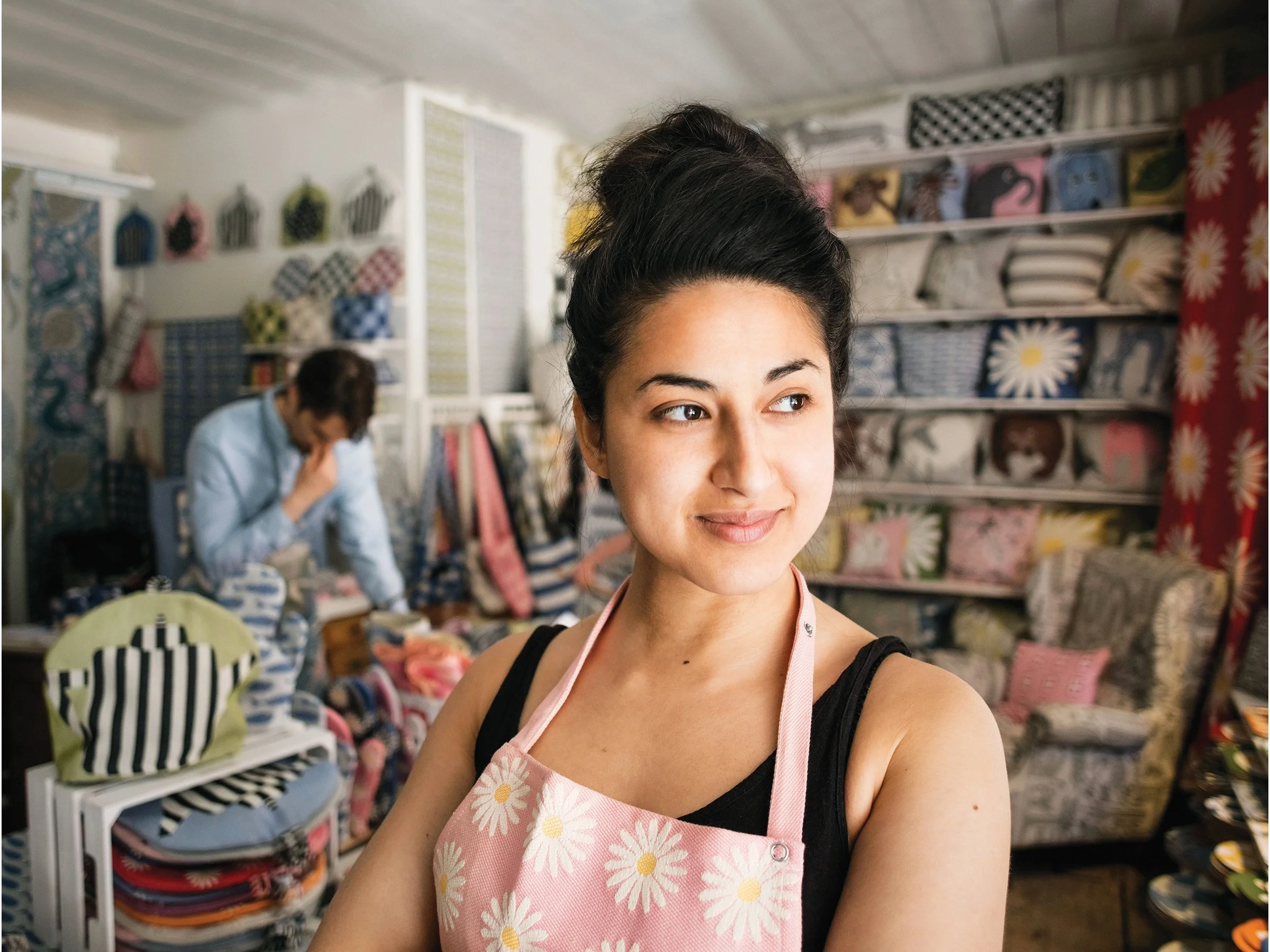
A recent survey of Canadian women aged 35 to 60 found that many are facing multiple barriers to accessing effective health care. Image credit: NEWS CANADA.
By SHAGORIKA EASWAR
How many ways will we be reminded that some are less equal than others?
Perhaps we women should take a tip or two from the child who tries every trick in her arsenal to extend her birthday privileges. This is my birthday week. This is my birthday month. And so on.
How else to respond to Gender Equality Week? It’s been a while since a press release landed in my inbox, and I’ve been mulling over it since.
And the statement Rechie Valdez, Minister of Women and Gender Equality and Secretary of State (Small Business and Tourism), made to mark the week:
“Gender Equality Week is a time to highlight progress, celebrate the substantial contributions of women, and strengthen Canada’s pursuit of equality by addressing the gender gaps that hold people back. The federal government is committed to supporting women and gender diverse Canadians across the country.
“Women, girls, and gender diverse people continue to face systemic barriers from poverty and discrimination to unequal leadership opportunities and pay gaps. These inequalities don’t just impact individuals; they limit Canada’s full potential in a competitive global market. The federal government is working to ensure that everyone, regardless of gender, can contribute to our country’s success.”
Well, duh. Keeping half the population back is not exactly conducive to progress, is it?
“Ensuring that all federal policies, programs, and budgets are developed and assessed through a gender and intersectional lens remains essential to meeting diverse needs, closing equity gaps, and driving systemic change.”
To be sure, they have their hearts in the right place, but we need tangible change on the ground.
Policies like the following go some way towards that goal.
The Menstrual Equity Fund pilot project makes menstrual products more accessible to those in need, as outlined by Valdez.
A new national survey from GreenShield, Canada’s only national non-profit health care and insurance organization, reveals a significant gap in menopause care: one in three Canadian women wait at least two years for effective menopause support, while nearly half are waiting up to a year.
The survey of Canadian women aged 35 to 60 found that many are facing multiple barriers to accessing effective care.
These include difficulty recognizing symptoms as part of a hormonal transition, uncertainty about where to turn for help, long wait times, and having their concerns dismissed by health professionals. Taken together, the findings point to a system that is not designed to support women through predictable life-stage health changes.
As a result, menopause symptoms, including fatigue, mood swings, “brain fog,” hot flashes, weight gain, and anxiety, are widespread and often unmanaged.
Nearly two-thirds of women say these symptoms affect their job performance, while more than half report that the time spent seeking care disrupts their work.
Despite the clear health and workforce implications, workplace support remains limited. Only 13 per cent of women say their employer provides adequate hormonal health or menopause benefits – leaving many to navigate finding care on their own.
“Women’s hormonal health sits at the intersection of health, work, and equity,” said Joe Blomeley, Executive Vice President, GreenShield. “Supporting women through every life stage is essential to building an inclusive workforce. As a non-profit founded on the belief that health care is a right, we see this as a critical gap that demands personalized, accessible solutions.”
Launched in 2025, GreenShield’s Personalized Hormonal Health Program is designed to address these gaps by seamlessly supporting Canadian women through life-stage hormonal changes.
Delivered through GreenShield+, the nurse-led program combines clinical expertise with personalized support to help plan members better understand and manage the impact of hormonal changes on their everyday health.
“The Women Entrepreneurship Strategy has helped more than 400,000 women entrepreneurs across Canada start and grow their businesses through programs like the Women Entrepreneurship Loan Fund, the Women Entrepreneurship Ecosystem Fund, and the Women Entrepreneurship Knowledge Hub,” adds Valdez. “In parallel, the Women’s Capacity Fund and the Women’s Economic and Leadership Opportunities Fund are supporting over 300 projects that address systemic barriers to gender equality, because supporting equal opportunities for women in the workplace could add billions annually to Canada’s GDP.”
But even as we work our way towards a semblance of equality, something very worrying is afoot south of the border.
As Elizabeth Renzetti wrote in a startling editorial in the Toronto Star, the inalienable right to vote is in question in the US.
The idea of taking the vote away from women entirely is getting louder.
She references the “quietly miserable” Betty Draper from the show Mad Men, her degree from Bryn Mawr gathering dust in a drawer. But at least she could vote.
The real intention of the SAVE America Act, writes Renzetti, appears to be making it harder for certain groups to vote. Groups that turn out in higher numbers for Democrats – like women.
“The act would make voter ID rules more stringent for those who are registering, requiring documents such as birth certificates to match the voters’ identification. For many married American women – the American Civil Liberties Union estimates as many as 69 million – the married name on their ID may not match their birth names (trans peoples would be affected too.)
Analyzing the legislation, the Brennan Center for Justice noted “millions of women whose married names aren’t on their birth certificates or passports would face extra steps just to make their voices heard.”
She ends with a dire warning: “The idea of taking the vote away from women entirely is getting louder, a distant siren that I hope Americans hear.”
Elizabeth Renzetti is a passionate advocate for gender equity and one of Canada’s most respected journalists. In What She Said (McLelland and Stewart, $34), she explores the most pressing issues facing women in Canada today.
She covers a wide range:
The threats that deter young women from seeking a role in public life; the use of NDAs to silence victims of sexual harassment and assault; the inadequacy of access to healthcare and reproductive justice, especially as experienced by Indigenous and racialized women. The imbalanced burden of care, from emotional labour to childcare...
“The fight for women’s rights was supposed to have been settled.
“Or, to put it another way, women were supposed to have settled – for what we were grudgingly given, for the crumbs from the table that we had set.
“For thirty per cent of the seats in Canada’s parliament; for five per cent of the CEOs’ offices; for a tenth of the salary of male athletes; for the tiny per cent of sexual assault cases that result in convictions; for tenuous control over our heath and bodies.”
As activists have been saying forever, gender-based violence not only costs women and gender-diverse people their lives, but it also has profound effects on our communities.
Preventing and addressing gender-based violence is a crucial step to advancing gender equality in Canada.