
HELLO JI!
REPEAT AFTER ME: THIS IS FOOD, NOT WASTE
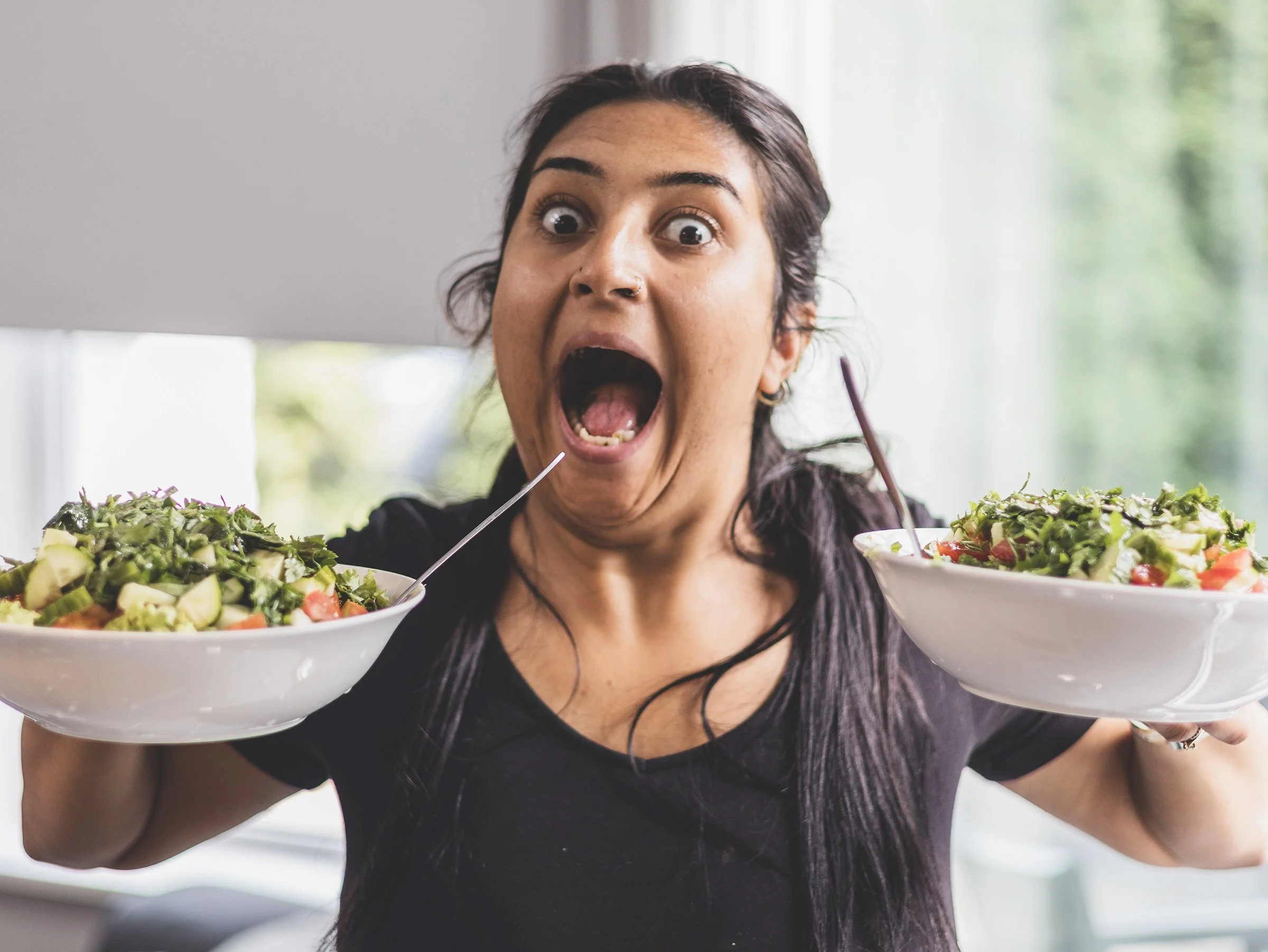
Nearly 50% of food produced in Canada is never consumed, meaning a significant share of food that is grown, processed and transported ultimately goes to waste. Image credit: STEFAN PETROV on Pexels.
Seven million pounds of food were diverted from waste in 2025 thanks to FoodHero, highlighting the rise of a collective movement to rethink the way we consume food.
The Canadian company is a pioneer in sustainable food commerce, and a prime example of consumers and food industry partners working together to give perfectly good food a second life. The findings underscore both the scale of food waste in Canada and the tangible impact of initiatives designed to better recover surplus food.
Concerning data on food waste in Canada:
Nearly 50% of food produced in Canada is never consumed, meaning a significant share of food that is grown, processed and transported ultimately goes to waste.
41% of food waste in Canada could be avoided, representing an estimated $58 billion in lost food value annually.
Each year, discarded food generates approximately 25.7 million metric tonnes of CO2, equivalent to 285 million flights around the world, highlighting the significant environmental footprint of food waste.
On average, a Canadian household wastes more than $1,300 worth of food each year, roughly the equivalent of throwing away one bag of groceries every week.
23% of avoidable food waste is linked to confusion around “best-before” labels which are often mistaken for expiration dates.
Bloggers describe the steps they take to reduce food waste – like it’s something new they’ve invented – but it’s perhaps worth remembering that we come from a culture that perfected the art.
Most Indian cuisines have innovative uses of stems, leaves, and almost every part of fruits and vegetables. In main dishes, and also in jams, chutneys and pickles, or fried to a crisp. Take the humble pumpkin. While the vegetable itself is used in a myriad different ways, its leaves are turned into kumhro pata bata (a paste) or bora (fritters), or used in another famous Bengali dish, chorchori. Leftover rice finds new life in alu tikki or cheela.
Growing up in India, we also had the privilege of househelp, with whom food was shared. So nothing, really, was wasted. When we moved to Canada, with no one to send food home with, I tried to cook just the right quantities to avoid the dreaded leftovers that were transferred to successively smaller and smaller bowls. Because, ignoring the pleas of our sons, I would not throw food.
Then we purchased our first giant freezer and discovered the joys of freezing batches of everything from rajma to kheer. Now when I take out containers of something I made a few weeks ago, they are greeted with, “When did you make this?” instead of “Not again!”
This Diwali, as we gather with family and friends to celebrate, think about ways in which we can, as individuals, do our bit to reduce food waste. Because throwing away food when so many are going hungry is not just wasting money, it amounts to criminal negligence.
Waste not, want not, as our elders said. There’s a lot of wisdom in those words. Happy Diwali!
Shagorika Easwar