
BEING CANADIAN
3 THINGS YOU CAN DO TO ADVANCE RECONCILIATION
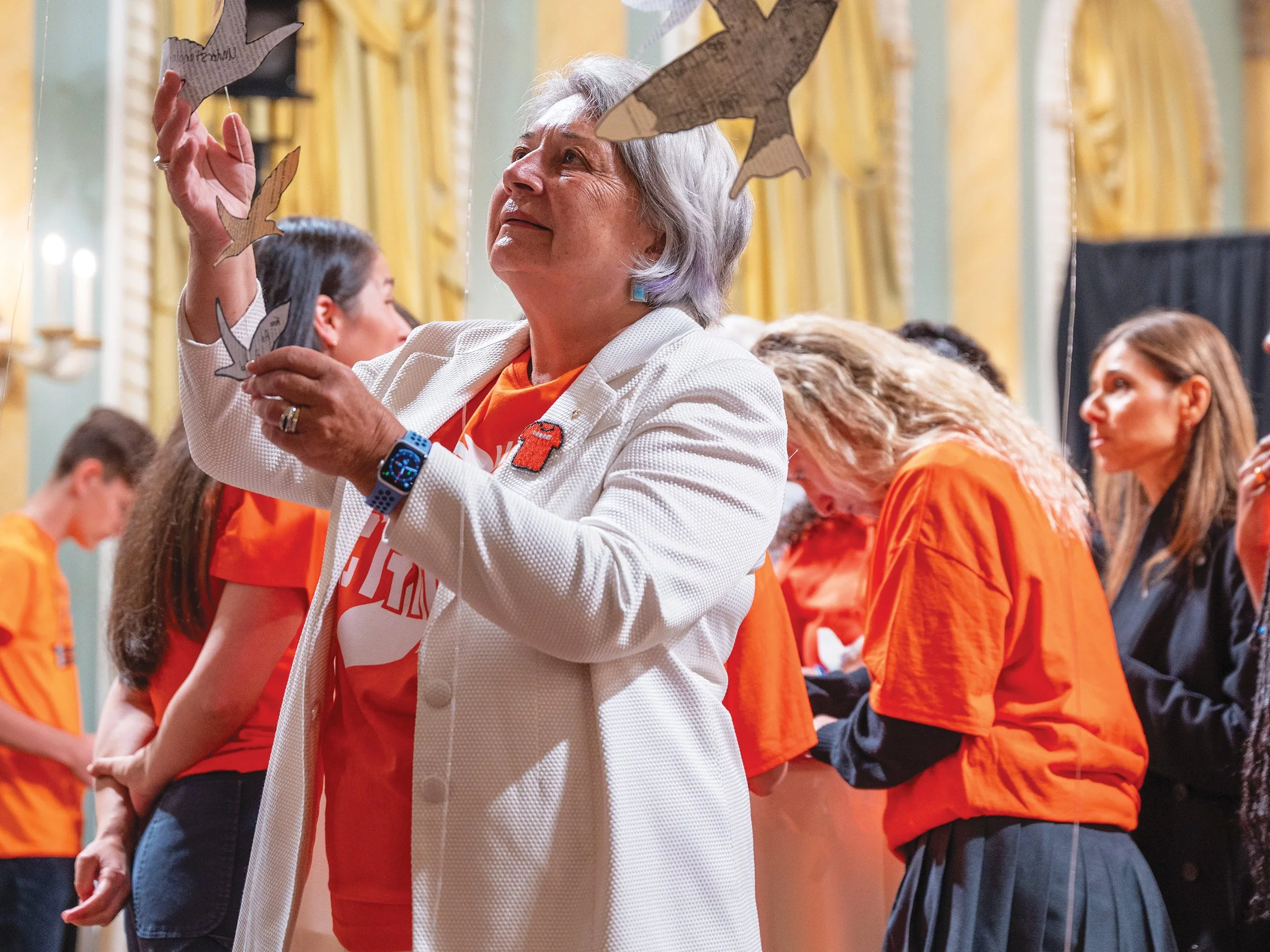
There are many meaningful ways individuals can contribute to healing and relationship-building. Image credit: NEWS CANADA.
From NEWS CANADA
Reconciliation isn’t just an Indigenous issue, it’s a collective responsibility that requires ongoing effort and collaboration between Indigenous and non-Indigenous communities. This journey of healing and relationship-building can be daunting, but there are many meaningful ways individuals can contribute.
“The path of reconciliation is a lifelong journey,” explained former Governor General Mary Simon, Canada’s first Indigenous governor general, “Together, we are working to make Canada an inclusive space where everyone feels respected and has a sense of belonging.”
Here are three practical steps you can take to advance reconciliation:
Educate yourself. Learning about Canada’s full history – which includes the rich and culturally diverse stories of First Nations, Inuit and Métis – is an act of reconciliation. Explore the Truth and Reconciliation Commission’s calls to action and delve into the history of the residential school system.
Experience Indigenous arts and culture first-hand. Check out work by some of the many talented Indigenous creatives from coast to coast to coast. You can visit a local art museum to see contemporary work by emerging artists, watch a movie by an Indigenous filmmaker at your independent cinema or stream one of the growing numbers of popular TV series by Indigenous producers.
Participate in national days of significance. Wear an orange shirt on September 30 for the National Day for Truth and Reconciliation to raise awareness about the intergenerational impacts of residential schools.