
GET GROWING!
NEW WAYS TO GROW YOUR GARDEN
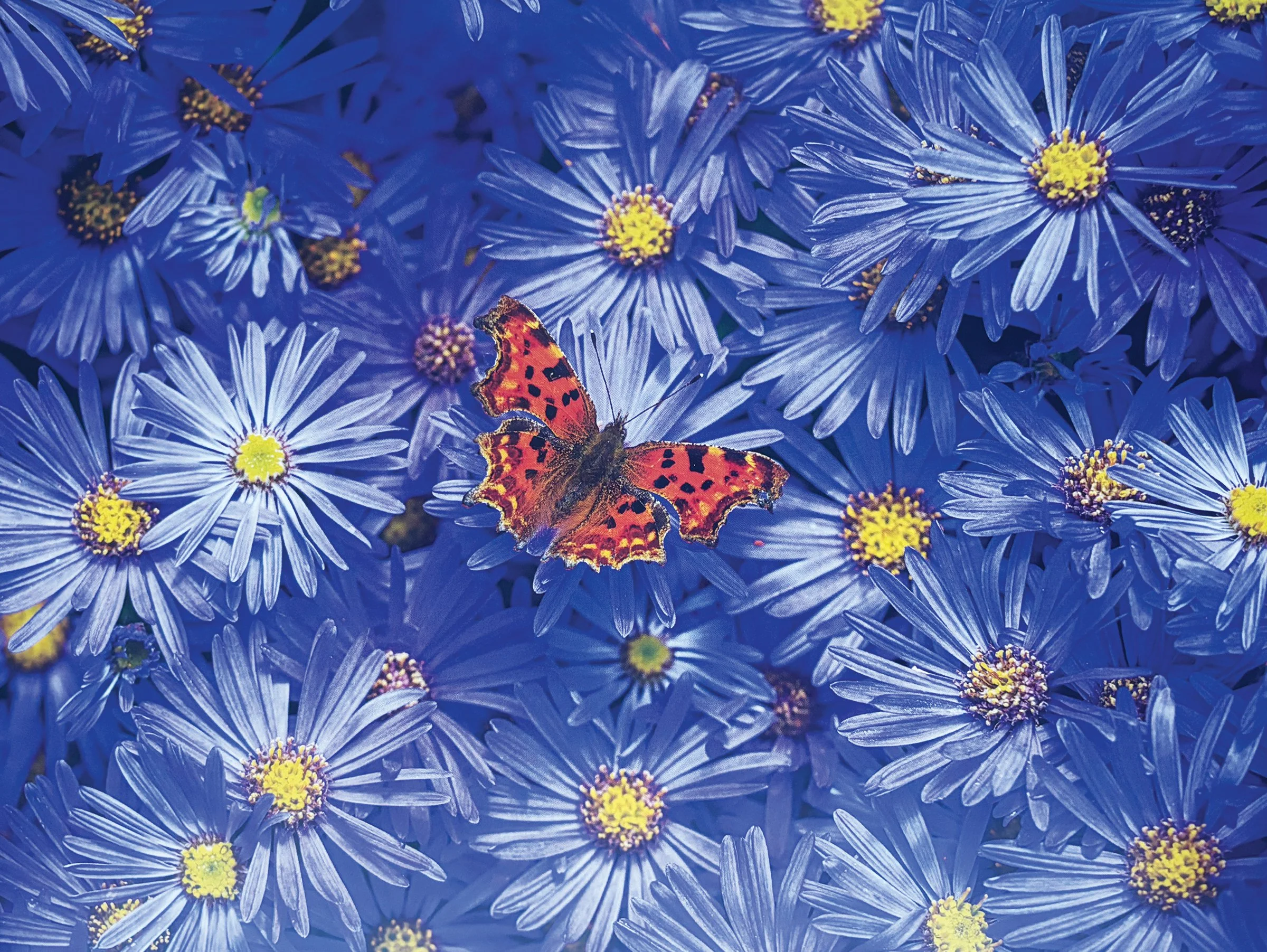
Image credit: Propagating Plants, published by DK.
By LADYBUG
Who even thinks of playing in their yard in this weather, when icy winds send everyone scurrying inside?
Gardeners, that’s who! When everything is knee-deep in snow, gardeners are dreaming of swaths of colour.
I stand by our windows, looking out at the garden, and plot and plan. I make a list of plants I’d love to get my hands on, and those that I want to divide and move to new spots or share with friends.
While getting new plants can be an expensive hobby, learning how to propagate plants can not only save you money, it can be fun and rewarding in so many ways.
The good folks at the publishing house DK have gathered the advice of experts who explain how to grow more than 1,500 plants from seeds and cuttings, by division, grafting, layering and more.
Novice gardeners will benefit from the visual step-by-step guide and experienced gardeners will also pick up a tip or few.
The tagline on the cover, How to create plants for free, is all the invitation I need to dig in!
Sections range from soils, tools and equipment to the types of propagation of everything from trees, shrubs and climbing plants to perennials, annuals and even bulbs.
As someone who long hesitated to divide my clumps of crocus, hyacinths, daffodils and tulips, and as those will be the first to make an appearance, that’s the section I turn to first.
And learn that both spring and fall-flowering varieties of crocus can be divided in late summer. And that unlike many other bulbs, these actually grow best in congested clumps and therefore it’s best to divide only when necessary.
My hyacinths have been multiplying happily with no help (interference?) from me, but as I read about “scooping and scoring” bulbs, I know I am going to try my hand at this unique method to grow my collection.
Likewise, my tiger lilies have been doing really well and treat me to spectacular blooms in late summer. I dug up and divided a clump and moved a few bulbs to another spot a few years go and that is performing well, too. I have, of course, noticed the little black bead-like seeds that form along the stem, and assumed they help spread the clump. From this book I learn that they are called bulbils (how sweet and Bengali sounding!) and root readily, producing a flowering plant in three years. So all I have to do, really, is collect them and spread the love.
Also that both tulips and daffodils can also be grown from seed. It takes a couple of years for them to flower, but it can be done. And all these years, I’ve cut off the poor things’ heads.
Similarly, the idea of growing roses from seeds has never crossed my mind – until now.
But most fascinating is the fact that lilies can be propagated from leaf cuttings!
Select healthy, newly mature leaves. Firmly grasp each one close to the stem and gently peel it off, so that it comes away with a ‘heel’. Place the cuttings in a reused plastic bag (love the note about reused!) to prevent moisture loss.
Inserted in moist grit, they root in five to six weeks, I read.
I also learn about something called scaling with instructions on how to get new plants by snapping off the outer scales of a bulb.
Three whole new ways to make more lily plants – just this makes the book a keeper!
It’s fun to spot the section on growing pineapples from crown shoots – I can vouch for this, having attempted this successfully some years ago,
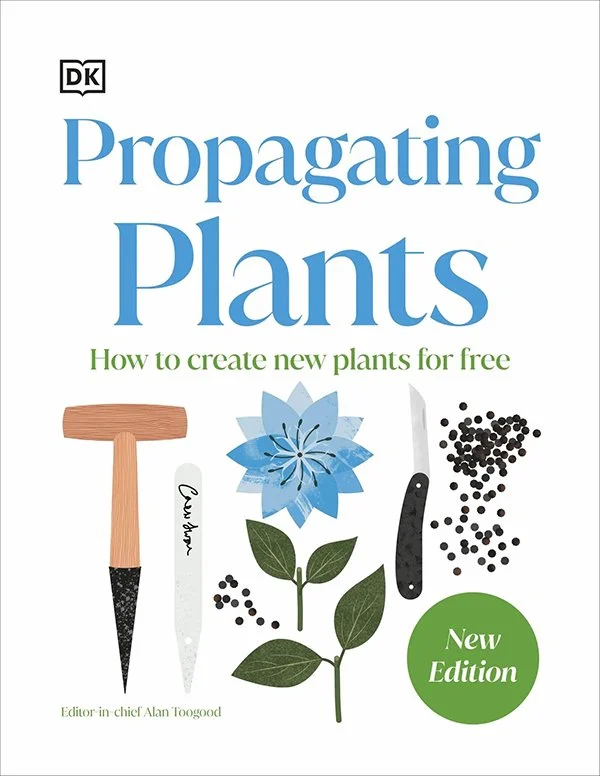
Propagating Plants, Editor-in-Chief Alan Toogood, is published by DK, $48.
The section on plant problems (and the ways to control them) lists many that I deal with in my garden and a few that I didn’t know the names of but recognize from the description.
The one on houseplants – and these are what we focus on for many months of the year in our part of the world – also has ways with which to grow more.
Over my years of learning and gardening in Canada, I’ve rooted forsythia and roses, separated seedlings from rose of sharon and lilac mother plants, etc., but moving on to sections on trees and shrubs, I find tips that have me excited about trying the same with hydrangeas and my butterfly bush.