
GET GROWING!
AVOID THESE COMMON PLANTING MISTAKES
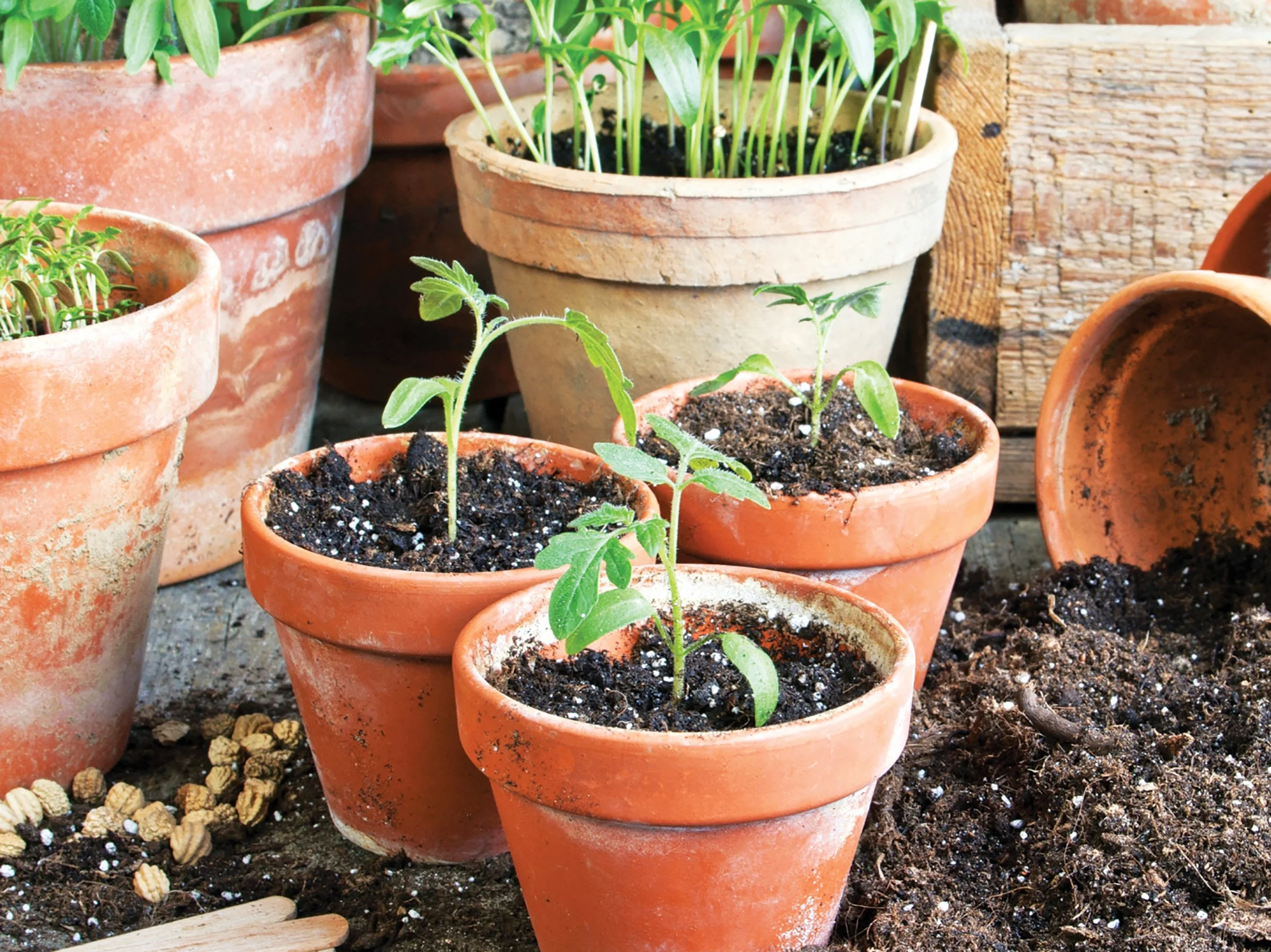
While many think plant pots are easy and convenient, often plants need to go into the ground – or into a much larger pot than expected – to truly thrive and grow. Being confined in a small space restricts root growth and limits access to nutrients.
With spring underway, and the date of the dreaded last hard frost finally behind us, households across Canada are preparing to step outdoors to start sowing and growing.
But before you reach for the spade, take a look at some of the most common planting mistakes, as revealed by HomeStars.com.
While outdoor planting can be rewarding, without the right advice, it’s easy for errors to impact the health of your plants when trying to create a beautiful yard.
One of the most frequent mistakes is plants being left in restrictive conditions. While many think plant pots are easy and convenient, often plants need to go into the ground – or into a much larger pot than expected – to truly thrive and grow. Being confined in a small space restricts root growth and limits access to nutrients.
Another simple mistake is leaving the green plastic tags on the stem of the plant after purchase. The tags are used for ease of transportation with the intention of being removed when planted. When left on, this can cut into the stems and restrict development.
Colleen McGrory, from Home Stars.com, says this is a busy time of year for planting, and it’s essential to avoid mistakes. As one of the early team members that created HomeStars, Canada’s leading and largest home services platform, McGrory has spent the last 16 years refining the process of making it easier for homeowners to find the right pros, and for pros to build successful businesses. Her favourite part of the job has always been the one-on-one conversations with tradespeople and homeowners over the years and translating those into real solutions that meet real needs.
Outside of HomeStars, she is a seasoned homeowner herself, managing the upkeep of her century-old house alongside her husband, a professional carpenter. Combining her wealth of research-backed knowledge and hands-on experience in the industry with a deep personal appreciation for the “quirks” of homeowner-ship and the value of quality craftsmanship, McGrory provides a practical, expert perspective on the modern Canadian home improvement landscape.
“Many of us can’t wait to get out and start planting,” she says. “However, rushing the process can cause problems later down the line, such as plants becoming root-bound due to being left in pots for a long time, or even being placed in the wrong raised beds.
“Before you start planting, it’s best to plan, check soil conditions, give space for plants to establish roots, and make sure each plant is suited to its environment. A little extra preparation can go a long way and make all the difference, helping yards not only survive, but thrive.”
Here’s a list of some common mistakes to avoid when planting:
Take off green ties. A very common mistake people make without realizing is not cutting green plastic ties off after purchase. These aren’t meant to stay on; they’re just for ease of transportation. By not taking them off, you risk restricting the plant’s growth and causing severe damage, and potentially killing the plant.
Don’t plant in pots. This may come as a shock for most Canadians, as it’s common to put plants in pots, but many of us don’t realize how much happier the plant would be in the ground. Pots restrict plants from thriving and growing to their full potential, due to restrictive sizes as well as limited access to soil and, therefore, nutrients from the earth. This also causes more hassle as they need to be watered regularly.
But if you do decide to plant in pots, use water-retaining gel and vermiculite in the compost to reduce the amount of watering required, as these products slow the release of water. Also, if you have no other option than putting your plant in a pot, consider using bigger plant pots to allow roots to gain stability and have room to grow.
Use ground cover plants. Use ground plants to fill bare earth gaps. They suppress weeds and cover bare soil effectively. Where you have a plant, you don’t have a weed! These plants will also feed the soil and retain moisture, while looking pretty in the plant bed.
Don’t go for a raised bed. While wood is a popular choice for raised beds, it will rot in five to 10 years. Railway sleepers are also not a good idea; although they last 10 years, they often have nasty chemicals in them. Plants in raised beds also need more watering than those in the ground.
HomeStars is the reliable way for homeowners to hire the pros they need. The online platform matches homeowners with verified local pros for home repairs and improvements across Canada. Homeowners can post their jobs for free and get responses from available pros; they can view their profiles and read genuine reviews from previous customers before deciding who to connect with.