
TRUTH BE TOLD
WHAT DO WE REALLY KNOW ABOUT THE LIVES THAT WOMEN LIVE?
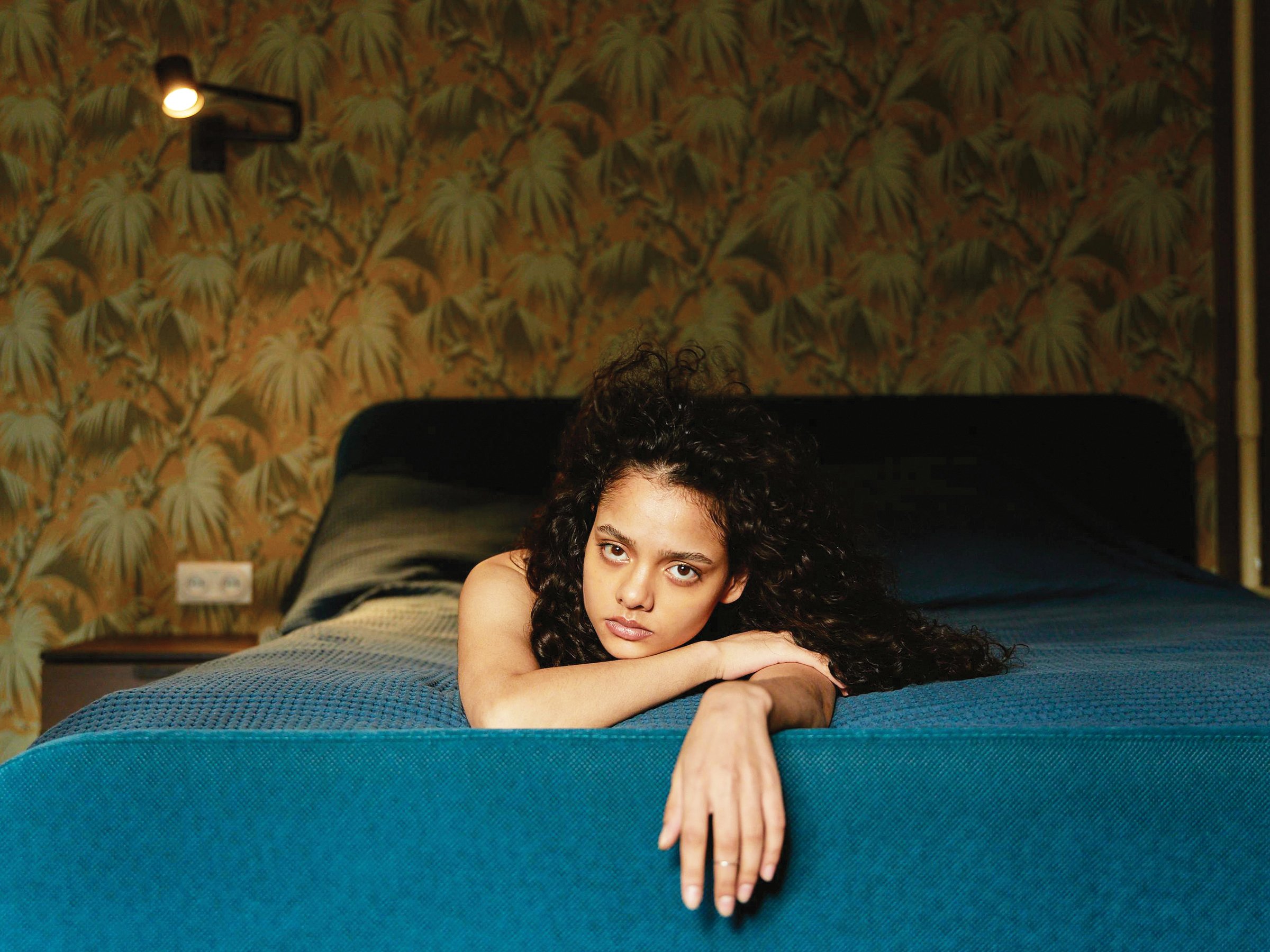
It’s not just poor or societally vulnerable women who are subjected to abuse. Professional women suffer these abuses, too, but they don’t divulge due to shame, embarrassment, protecting family and “how could this be happening to me!” Image credit: DARINA BELONOGOVA on Pexels.
By DR VICKI BISMILLA
I’ve often wondered about International Women’s Day and what it means to ordinary women like ourselves.
Yes, there are phenomenal women all over the world in great careers, in great cities, well-known leaders, brave warriors, and unassuming women doing yeoman’s work living rustic lives in villages, towns and yes, next door in the suburbs. But what do we really know about lives that women live?
There are so many, too many women living with emotional and psychological abuse from partners. Seething, simmering anger, vengeful tempers looking to punish. Even women who thought they had chosen partners with whom they had fallen in love, married in good faith and started to raise families.
When the emotional abuse started they tolerated quietly for so many reasons: the children, the extended family, the ‘what will people say’ fear, the financial situation, so many reasons. Some will stay and continue to provide caring in sickness and health as their vows promised. But love? For many it’s gone, killed by seething partner-rage.
I volunteered in a women’s support centre many years ago when I was a career woman and I learned so much about the strength of women. We were able to advise and provide support to women suffering physical abuse and in some cases connect them to legal-aid counsel.
On the website canadian-women.org we read that domestic violence is an epidemic in our country. Research from the Canadian Women’s Foundation found that 67 per cent of us know a woman who is or has been abused.
It’s easy for us to say, “Why doesn’t she leave?”
Some women stay because they fear for their lives or the lives of their children.
In some cases, women stay because it’s the expectation from the extended family.
She may stay for financial reasons, not wanting to expose her children to poverty. She may stay because her immigration status is precarious. And in situations where the partner-anger has not reached the physical violence stage, she is unable to explain the kind of emotional or psychological abuse she is suffering.
“Is he hitting you?”
“No.”
“Then what is this abuse you are talking about?”
Threats, put-downs in front of other people, sarcasm, constant criticisms, cruel jokes, seething anger, simmering tempers, days-long silent treatments are all abusive but, as the Justice Department says, many forms of emotional abuse are not crimes – they can lead to crime, but they are not chargeable offences (justice.gc.ca).
And it’s not just poor or societally vulnerable women who are subjected to these forms of abuse. Professional, even executive women suffer these abuses but don’t divulge due to the above reasons as well as shame, embarrassment, protecting family and “how could this be happening to me!”
The Canadian Journal of Community Safety quotes the WHO as follows:
Violence against women, domestic abuse and sexual violence (VAWDASV) is a major public health problem, a criminal justice issue, and a violation of human rights that impacts individuals and families and harms the health of communities, societies, and economies. See here.
While other genders were also victims of violence, the researchers found that “overwhelmingly, perpetrators tend to be male while the victims are mainly female.”
Police will act in cases of physical abuse. But sadly, this and other scholarly articles as well as community organizations did not demonstrate a clear resolution for women in emotional or psychologically abusive situations.
They provided excellent long term prevention approaches like educating children and youth against abusive behaviour; changing gender norms; empowerment; legislative reform – but for the woman experiencing emotional abuse in the present there were no clear ways out.
Following advice to “Talk to him, tell him how the abuse makes you feel” or, “Talk to a therapist,” is just not possible for many women. Abusers do not want to sit and discuss, they do not want to be told that they are hurting their partner; and a therapist (if possible to be accessed) can only guide the woman toward solutions which are not doable in toxic, or anger filled situations.
So far I have not been able to find a study that goes beyond these limitations for women in mature relationships.
Perhaps a close friend of the emotional abuser might be able to hold a mirror to his behaviour and appeal to his sense of honour and respect. But it cannot be the woman who asks for this help from his friend or she will face reprisal. The same if she asked their family doctor for help for her emotionally abusive partner. She would face reprisal for “telling”.
There are sites that try to offer ideas to people who are experiencing emotional and psychological abuse. These suggestions are excellent to help recognize signs of an emotional abuser in the early stages of a relationship so the abused victim can get out of the relationship. It is critical for family and friends to step in and help a victim end an abusive relationship by pointing out the abusive behaviours before the relationship develops into a marriage or common law situation with children.
One such website is the Women’s Law site.
This is an American site but some of the suggestions may be helpful. There is a Canadian site that offers good healing advice but only after a victim leaves.
An excellent site that helps identify emotionally abusive patterns, and offers detailed, helpful guidance, how to get out, how to make safety plans is also American but the site, based in Los Angeles, helps victims internationally. See here.
Finally, there is an excellent research paper in PDF form on the government of Canada website that clearly lays out what psychological abuse is, suggested actions for dealing with the abuse and the three types of psychological abuse that can in fact be prosecuted under Canada’s criminal code, ie: uttering a threat; an act or gesture to use force; and repeated overtly threatening harassment including stalking. See here.
But even this comprehensive paper echoes the underlying fact that getting out of an emotionally abusive relationship is extremely difficult.
If parents, family, friends, union advisors, teachers and other trusted people can help someone identify their partner’s abusive patterns and help them get out before the relationship becomes permanent, that kind of help can literally be a lifesaver.
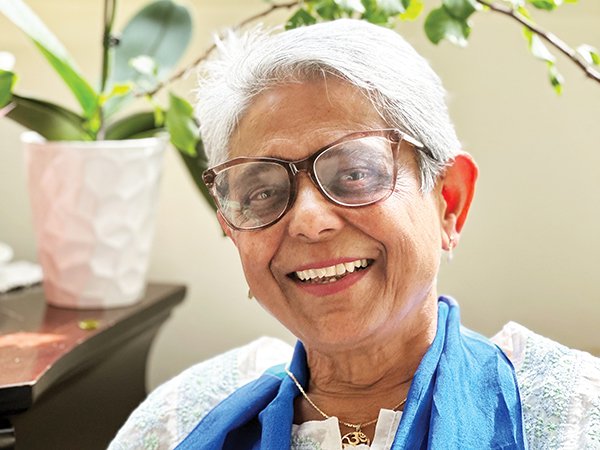
Dr Vicki Bismilla is a retired Superintendent of Schools and retired college Vice-President, Academic, and Chief Learning Officer. She has authored two books.