
BOOKWORM
MURDER IS EASY, BUT WHAT COMES NEXT IS NOT
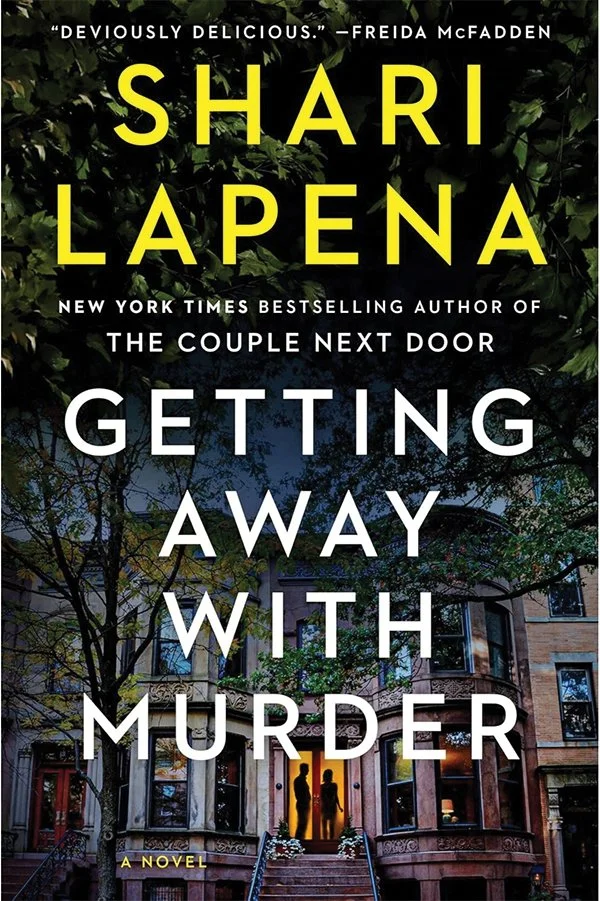
Getting Away With Murder by Shari Lapena, Viking, $34. Shari Lapena rules the psychological thriller genre but Getting Away with Murder, her tenth, takes it to a whole other level.
The one thing one can take for granted in a who-dunnit is that one doesn’t know whodunnit. Hence the red herrings and the false leads, until the big reveal. Lapena does away with all those unnecessary distractions.
She lets you in on who did what right in the very beginning.
Jill and Ted adore their New York brownstone the way others adore their children. They have carefully, expensively, made every inch of it their own. It reflects who they are, their status and tastes. With the grand mahogany staircase and state-of-the-art kitchen, it is the stuff of glossy magazines and real-estate dreams. It is their sanctuary.
So when Ted's inheritance runs out and he makes a bad investment, they panic.
How can they protect their beloved home and enviable lifestyle?
The answer is obvious. Or at least, it is obvious to Jill and Ted.
The death of one wealthy family member – from whom they stand to inherit millions – could solve all their problems.
Together, they will get away with murder.
Jill is “struck by how easy it is to kill someone who doesn’t suspect anything”.
How easy it is to murder someone who trusts you. How quickly it can happen.
So, where’s the mystery?
The delicious suspense builds in not knowing who knows what they did.
Their maid Nadya? Jill’s close friend Lara? Agent Ramirez, who was investigating the case and can’t let go even though it looks like they got away with it? Minerva, the victim’s ex-wife? Or John Burnley who comes to Ted with an offer?
As Jill and Ted’s torment over being unable to guess who or what they will do with that knowledge builds, so do the layers upon layers of suspense.
You almost feel sorry for them, as they feel hunted in their own home.
As you wonder what they will do to the person who knows.
Unputdownable!
Home page image credit: Oliver Sjöström on Unsplash.
OF GIVING AND RECEIVING
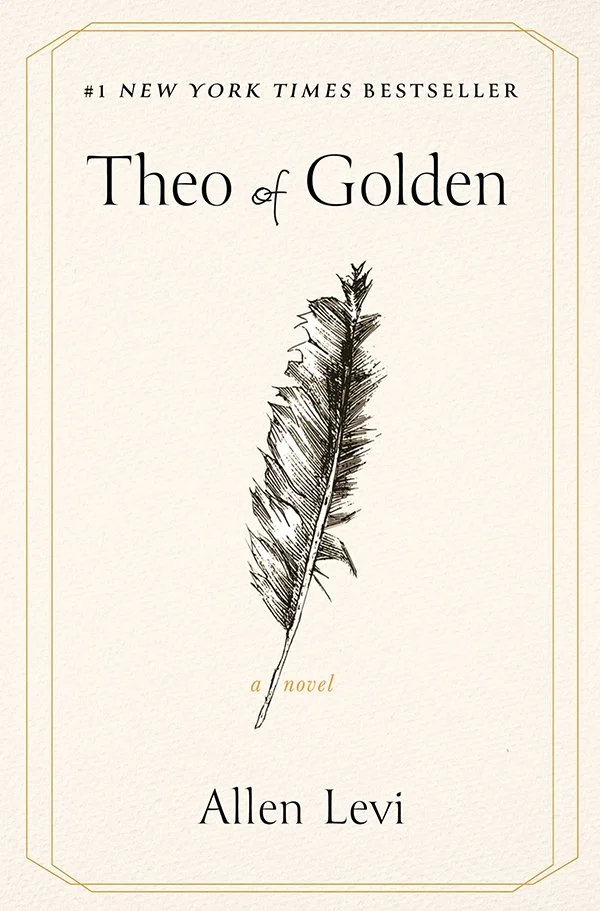
Theo of Golden by Allen Levi, Simon & Schuster, $26.99. His name is Theo and I can see Hollywood turning this book into a Tom Hanks movie. It has all the ingredients of one: the power of creative generosity, a sense of wonder and curiosity and the invisible threads that bind us all.
In fact, while reading the book I saw Tom Hanks as Theo, an 86-year-old Portuguese man, who arrives in Golden, Georgia, visits the local coffeehouse where ninety-two pencil portraits hang on the wall, and starts purchasing them one at a time. He puts them back in the hands of their rightful owners, the subjects of the portraits.
With each exchange, a story is told, a friendship is born. But there’s more to this tale of giving and receiving. Theo asks a lot more questions than he answers. And the real purpose of his sudden arrival in Golden is what makes this an emotionally satisfying read.
A MYSTERY FIT FOR MISTRY
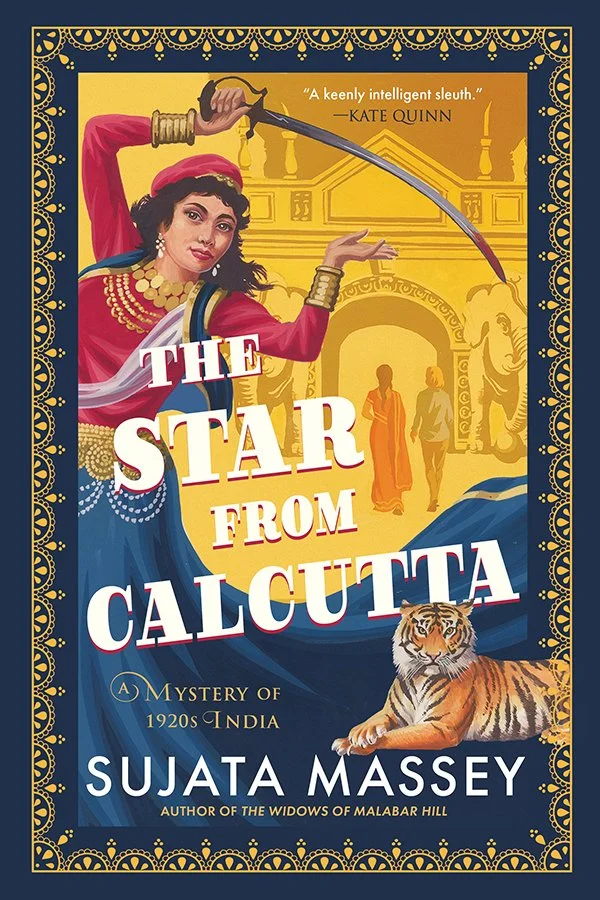
The Star From Calcutta by Sujata Massey, Soho, $39.95. India, 1922. Perveen Mistry, the only female lawyer in Bombay, has secured her biggest client yet: Champa Films, a movie studio run by director Subhash Ghoshal and his wife Rochana, the biggest name in Indian cinema.
When a guest at a film party thrown by the two is found dead and Rochana disappears, Perveen’s sleuthing skills are more in demand than her legal ones. Her investigation reveals a salacious web of blackmail, deceit, and romantic affairs.
It’s a fascinating study of the nascent film industry in the era of silent films, set against the backdrop of colonial India. Colin Sandringham, whose relationship with Perveen develops further in each book in the series, invites Sarojini Naidu to a lecture series. The topic: Where does history begin?
Sujata Massey researches her setting extensively, using old names for places we now know by different ones. Kennedy Sea-Face in Bombay, for one. We know it as the historic Marine Drive (Netaji Subhash Chandra Bose Road, officially).
She also provides interesting little tidbits. The root word for fan is fanatic. A woman couldn’t have a bank account without her husband or father’s permission. And that the Censor Board was originally formed because of accidents in some theatres.
“By inspecting the films, the board would know if the reels were unsafe and might catch fire. But then the censors wanted to make sure the film themes were moral.”
A great read, with a sweeping view of the gender politics and moral codes of the day playing out against a changing India.
AND YET SO FAMILIAR
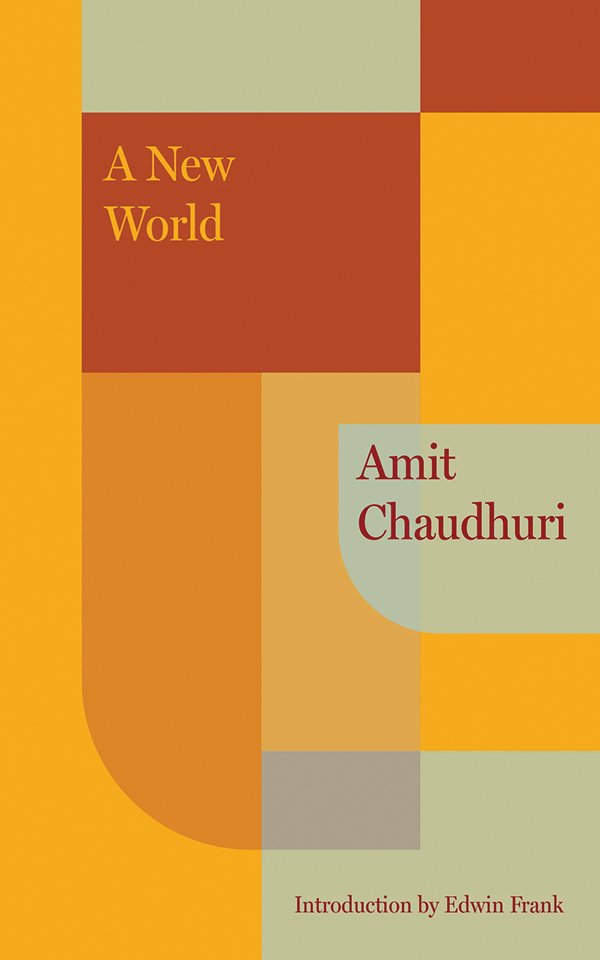
A New World by Amit Chaudhuri, New York Review Books, 23.95. In A New World, Chaudhuri returns to the familiar world of the city of his birth.
Calcutta was a personal portrait of his attachment to the place and its people. First published in 2000, A New World is the account of another homecoming. Of sorts.
Jayojit – “the one who is victorious over victory itself” Chatterjee – Professor of Economics at a college in the American Midwest, returns to Kolkata after his divorce with his seven year old son Bunny whom he has for the summer vacation. His neighbours want to now if he knows Amartya Sen, both being Bengali and economists and all!
They are visiting his parents but it’s a home Jayojit only knows superficially, it’s one they moved into after his father retired from the Navy as an Admiral.
It was not easy to be intimate or relaxed with the Admiral. He was one of those men who, after Independence, had inherited the colonial’s authority and position, his club cuisine and table manners, his board meetings and discipline; all along he had bullied his wife for not being as much a memsahib as he was a sahib... He was old-fashioned; he rarely praised his wife’s cooking, but kept his ears pricked, like a child’s, for others’ praises.
His mother grumbles under her breath at the househelp that has no regard for punctuality and anticipates the trouble she will have “once the rains come” even as it rains.
She is disappointed when her son and grandson do not consume vast quantities of the luchis she makes for breakfast. But not surprised by their apparel.
Parents accept that offspring who live abroad will appear to them in a slightly altered incarnation, and are even disappointed if they do not.
The watchman at their block of flats watches the comings and goings with a dispassionate eye.
“It was not difficult to tell when people had arrived from abroad.; something about their clothes, and the way they spoke with each other, the way they appeared, transforming the life of whichever family they were visiting, and then vanished again, tipping the maidservant extravagantly.”
It’s a finely observed account of a man who is observing the changes in his life while mapping the ones in his parents.
THE IMPERMANENCE OF EVERYTHING
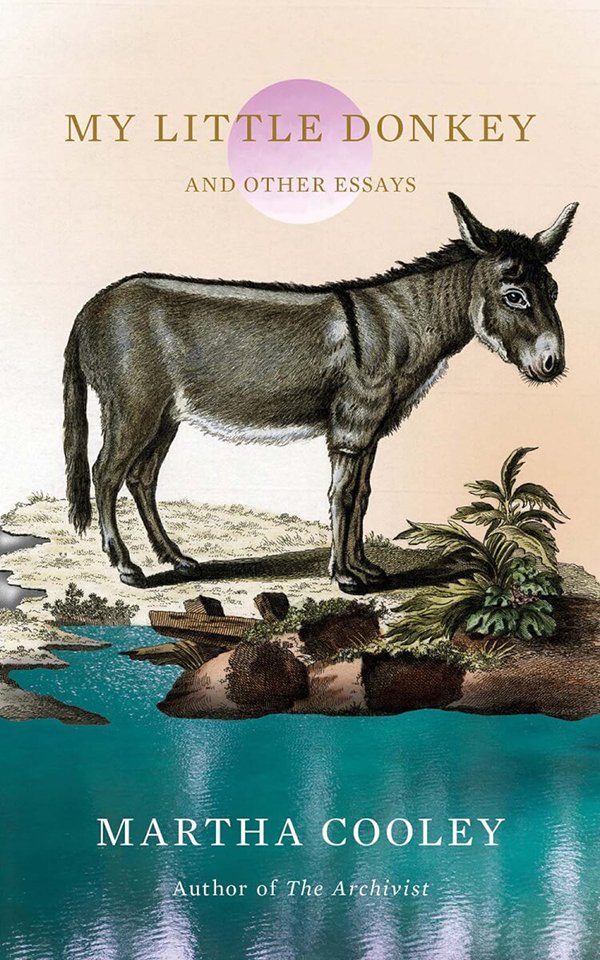
My Little Donkey by Martha Cooley, Catapult, $35. Martha Cooley left her teaching job in New York City in 2021 and moved with her husband to a tiny village in Tuscany. The essays in My Little Donkey are about how she deals with this major life change and tackles the conundrum of time’s passage: How to adapt to the impermanence of everything in our lives.
Countless strange contingencies – good, bad, indifferent – swarm our lives. Most of them befall other people, most of whom are strangers to us. Thus we’re sheathed by distance and the detachment it confers. Depending on the circumstances, we may deem ourselves lucky or unlucky not to have been among the victims or the victors. In any case our attention is soon demagnetized, and we peer elsewhere. Still, some flukes inevitably befall each of us.
A LAWYER ON THE WRONG SIDE OF LAW
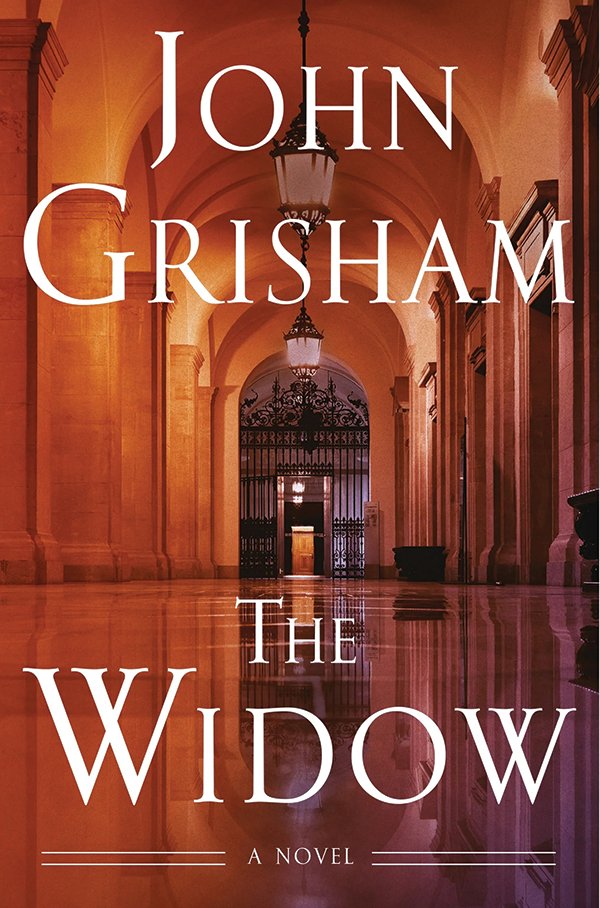
The Widow by John Grisham, Doubleday, $42. Simon Latch is a small-time lawyer in rural Virginia. He is barely able to make ends meet and his wife is seeking a divorce. Then, on a day like any other, Eleanor Barnett, an elderly widow in need of a new will, walks into his office. She claims her husband left her a small fortune. A simple case. But soon Mrs Barnett’s story begins to crack. She is hospitalized after a bad car accident, and Simon finds himself on trial for a crime he swears he didn’t commit: murder. John Grisham takes the reader on a wild ride through the narrow, confusing lanes of America’s justice system where sometimes the innocent are incarcerated and sentenced to death. A first-rate whodunit from the master of the legal thriller.
A REFRESHING DEPARTURE
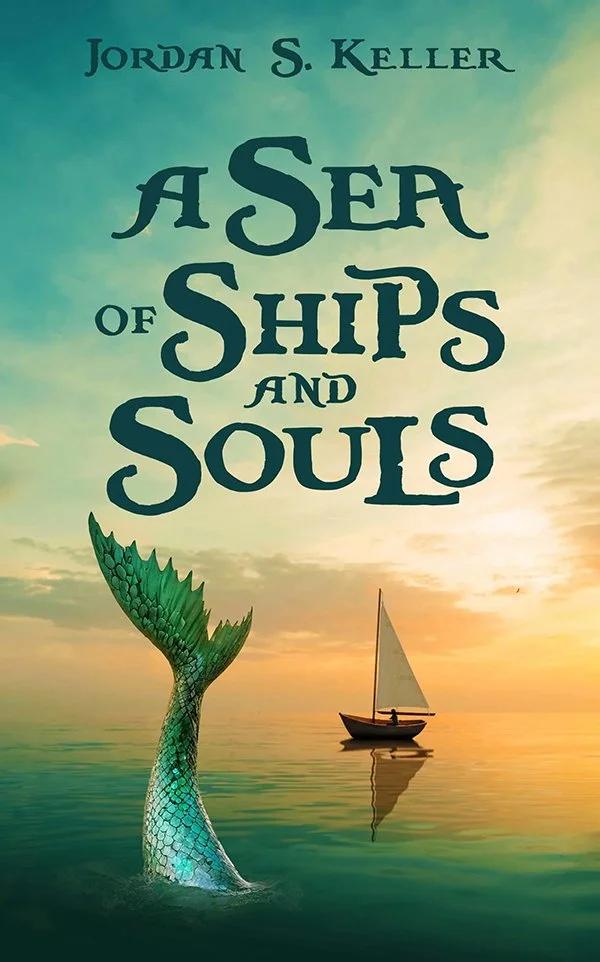
A Sea of Ships and Souls by Jordan S. Keller, The Wild Rose Press, $15.99. A Sea of Ships and Souls introduces readers to Jace Kit, who dreams of adventures on the high seas in the boat he is secretly constructing out of scavenged material.
Jace’s smile was all boy: young, excited, with too many teeth, and eager to win over anyone’s affection and attention.
A mysterious Sea Sprite named Sable enlists his help to stop a dread pirate from killing the ocean queen and plunging the world into dark storms, turning him into a reluctant hero who will stand by his new friend against unwinnable odds. With a mix of folklore, myths and magic, and siblings good and evil, this YA adventure is a refreshing departure from the standard offerings in the genre – no forced romance, and a focus on friendship and determination.
More than a swashbuckling adventure, it blends high-seas thrills with a coming-of-age story about courage, honesty and chasing dreams that feel too big. Oh, and there’s a parrot named Sea Glass that shrieks and flaps its wings that Jace is not a fan of, until it comes to the rescue!
LET’S GO BERRY-PICKING!
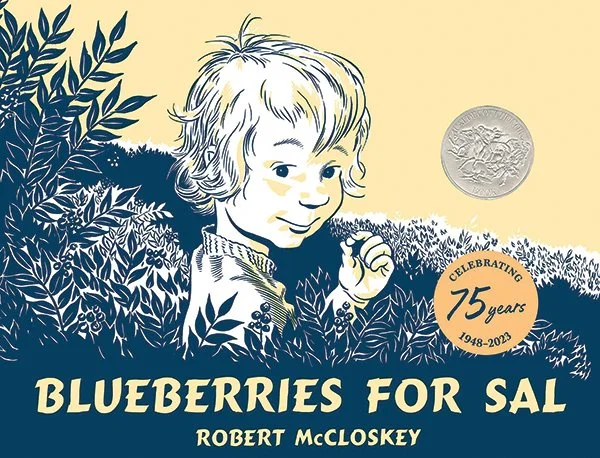
Blueberries For Sal by Robert McCloskey, Viking, $12.50. Kuplink, kuplank, kuplunk! Sal and her mother are picking berries to can for the winter. On the other side of Blueberry Hill, she discovers a mama bear is preparing for her own long winter, while Sal’s mother finds she’s being followed by a small bear with a big appetite for berries! Will each mother go home with the right little one?
The beloved Caldecott Honour book, first published in 1948, in a new edition that will delight little ones and their people alike.
TEEN REVIEW
By IFRA MAHREEN
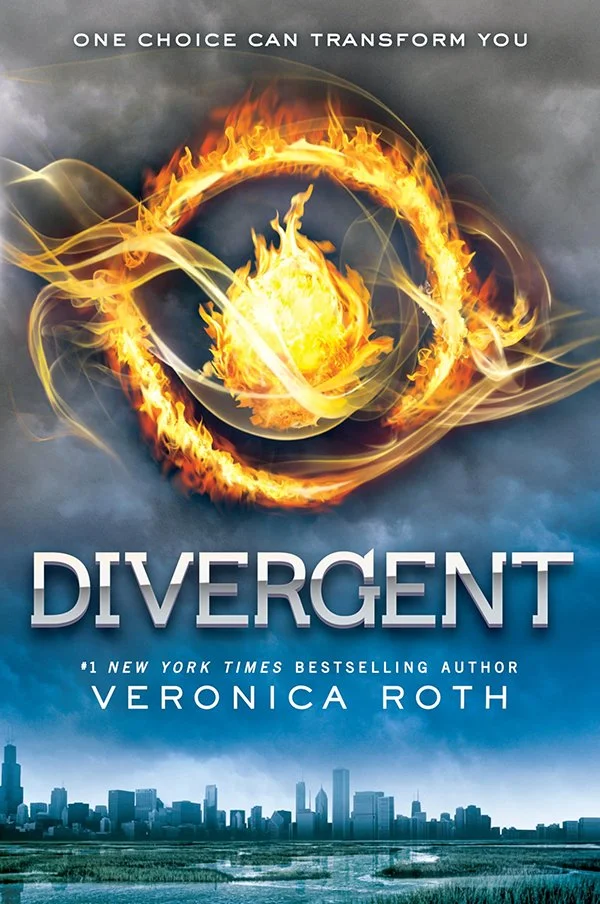
Divergent by Veronica Roth, Harper Collins, $16.80. Veronica Roth’s Divergent explores control and fear in a divided society where people are split into factions based on virtues.
Instead of a common dystopian tale, Divergent invites readers to question identity and the society in which they live. Beatrice Prior’s journey explores how rebellion and courage often mean defying systems that define us.
Each of the 39 chapters reveal a society where individuals struggle with belonging. Roth’s writing balances action with self-analysis. Through Divergent, we see flaws not just in her fictional world but in ourselves. The characters think of rebellion due to the desire of freedom within a controlling new society.
The book highlights moral tension, suggesting that bravery and selflessness can coexist in one person, challenging the need to fit into a single label. At times, the dialogues seem a bit predictable, yet the emotion behind them allows you to view the situation through the characters’ lens. Compared to the popular The Hunger Games, Divergent feels more personal. Readers learn that understanding yourself is the bravest act of all. And when the final page turns, Divergent leaves you asking: “If the world tried to label you, would you let it?”.
• Ifra Mahreen is a youth volunteer at Brampton Library.